“Can ₹5,000 really generate quality leads or sales on Meta?”
It’s one of the most common questions businesses ask before launching their first advertising campaign.
Many business owners believe that Meta advertising only works when you have lakhs to spend every month. Others think ₹5,000 is too small to make any meaningful impact.
The truth?
Neither assumption is correct.
A carefully planned Meta Ads Budget of ₹5,000 can outperform a poorly managed campaign worth ₹50,000. The difference isn’t always about money—it’s about strategy.
Whether you’re promoting a local business, an online store, a real estate project, a restaurant, or a service-based company, your success depends on how intelligently you allocate your budget.
Let’s break down exactly how to make ₹5,000 work for you.
First, Is ₹5,000 Enough?
Yes—but only if your expectations are realistic.
A ₹5,000 budget won’t make your brand famous overnight.
It won’t bring thousands of customers.
However, it can help you:
- Generate qualified leads
- Increase website traffic
- Build brand awareness
- Drive inquiries
- Test different audiences
- Collect valuable campaign data
Think of it as an investment in learning rather than simply buying customers.
Every campaign teaches Meta’s algorithm more about your ideal audience.
What Should Be Your Goal?
Before spending even ₹1, answer this simple question:
What exactly do you want?
Many advertisers fail because they choose multiple objectives.
Should you generate sales?
Collect leads?
Increase followers?
Boost engagement?
Drive traffic?
Trying to achieve all of these with a ₹5,000 Meta Ads Budget is like trying to fill five buckets using one glass of water.
Choose one objective.
Examples include:
- 50 qualified leads
- 500 website visitors
- 100 WhatsApp conversations
- 20 purchases
- 30 test drive bookings
One campaign.
One objective.
Better results.
How Should You Divide ₹5,000?
Let’s assume you’re running ads for seven days.
Instead of spending everything on Day 1, spread the budget evenly.
Example Allocation
Total Budget: ₹5,000
Duration: 7 Days
Daily Budget: Approximately ₹715
This gives Meta enough time to optimize delivery.
Avoid constantly increasing and decreasing the budget because frequent changes reset optimization.
Where Should the Money Actually Go?
Here’s a practical allocation.
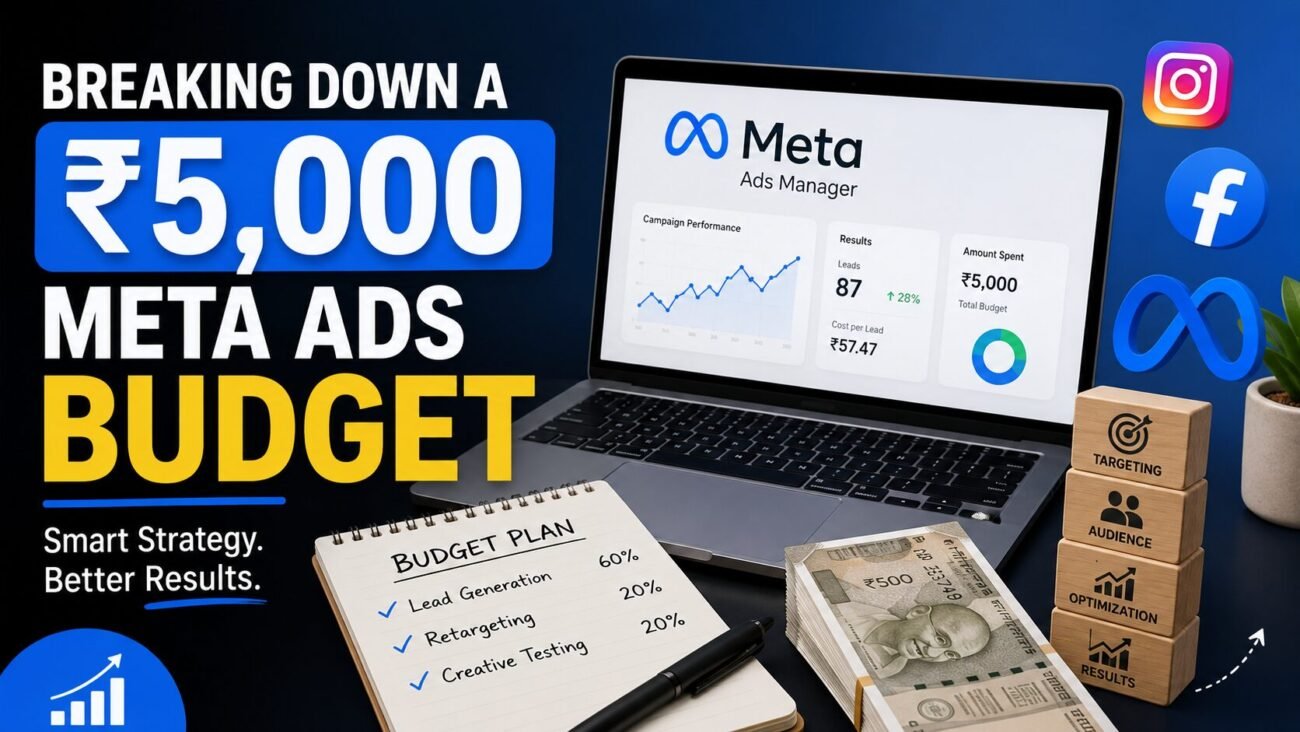
| Campaign | Budget | Percentage |
|---|---|---|
| Lead Generation Campaign | ₹3,000 | 60% |
| Retargeting Campaign | ₹1,000 | 20% |
| Creative Testing | ₹1,000 | 20% |
Why this split?
Because not everyone buys the first time they see your advertisement.
Some people need reminders.
Others need better creatives.
Retargeting often delivers cheaper conversions because you’re advertising to people who already know your business.
Don’t Spend Everything on One Audience
Here’s another common mistake.
Many advertisers create one audience and hope for the best.
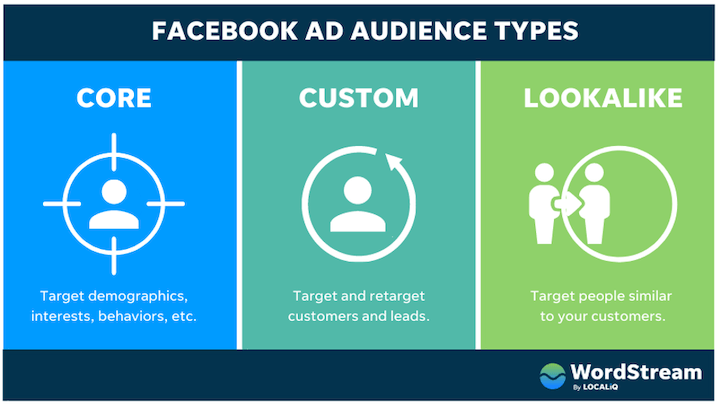
Instead, divide your audience into smaller groups.
For example:
Audience A
Age: 22–35
Interest:
Digital Marketing
Audience B
Age: 30–45
Interest:
Business Owners
Audience C
Lookalike Audience
Audience D
Website Visitors
This allows Meta to identify which audience delivers better performance.
How Many Ads Should You Create?
Not twenty.
Not ten.
Even three good creatives are enough.
For example:
Creative 1
Problem-focused
“Struggling to generate quality leads?”
Creative 2
Benefit-focused
“Increase qualified inquiries without increasing your advertising budget.”
Creative 3
Testimonial
Share real customer success.
People trust people more than brands.
Should You Use Images or Videos?
Let’s ask another question.
When was the last time you stopped scrolling because of a boring stock image?
Probably never.
Video usually wins.
Even a simple 20-second smartphone video often performs better than expensive graphics.
You don’t need cinematic production.
You need authenticity.
Show:
- Your office
- Your product
- Your team
- Customer testimonials
- Behind-the-scenes footage
People connect with people.
How Much Should You Spend on Testing?
Testing is not wasting money.
It’s buying information.
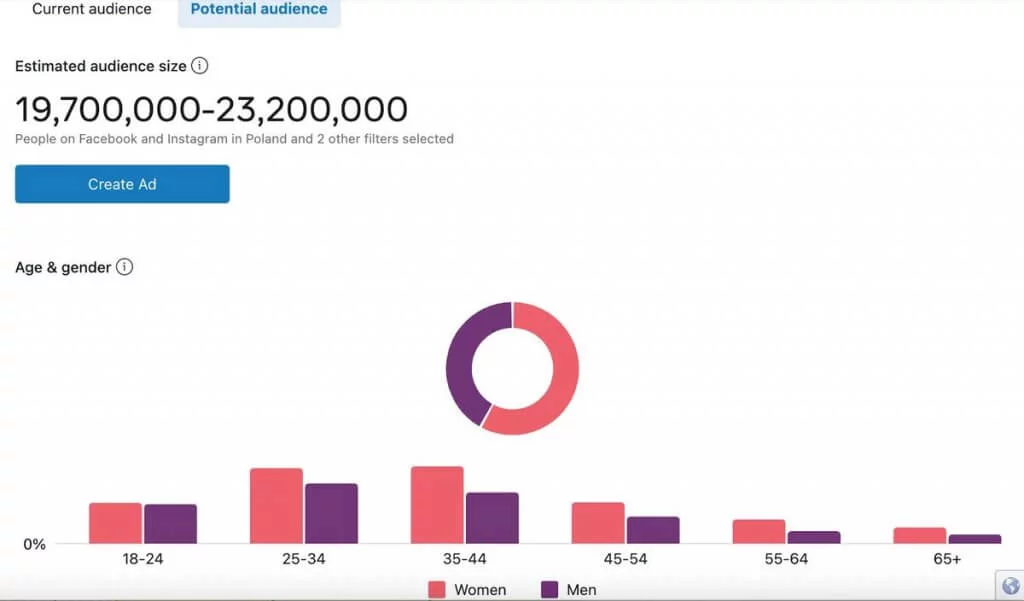
Reserve around ₹1,000 for experimentation.
Test:
- Headlines
- Images
- Videos
- Call-to-actions
- Audiences
Small improvements can reduce your Cost Per Lead dramatically.
Which Campaign Objective Should You Select?
Meta offers many objectives.
For smaller budgets, keep things simple.
Choose based on your business goal.
If you want leads:
Lead Generation
If you want website visitors:
Traffic
If you want purchases:
Sales
If you want WhatsApp conversations:
Engagement with Messaging
Selecting the wrong objective often leads Meta to optimize for the wrong action.
How Important Is Your Landing Page?
Imagine this.
You spend ₹5,000 driving people to your website.
Your advertisement is excellent.
People click.
Then your website takes 8 seconds to load.
Or the contact form asks for twelve different details.
What happens?
People leave.
A poor landing page can destroy even the best Meta Ads Budget.
Your landing page should:
- Load quickly
- Be mobile-friendly
- Have one clear Call-to-Action
- Build trust
- Display testimonials
- Include contact information
The fewer distractions, the higher your conversion rate.
Don’t Ignore Retargeting
Here’s an interesting statistic.
Many customers don’t convert after seeing an ad just once.
They may:
Visit your website.
Leave.
Forget.
Then return after seeing your advertisement again.
Retargeting keeps your business fresh in their minds.
Even allocating ₹1,000 toward retargeting can significantly improve campaign performance.
What Metrics Should You Watch?
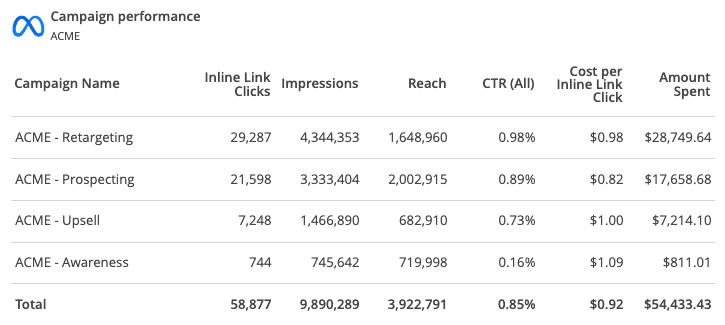
Many beginners obsess over likes.
Likes don’t pay bills.
Focus on metrics that actually matter.
These include:
- Cost Per Lead
- Click-Through Rate (CTR)
- Cost Per Click (CPC)
- Conversion Rate
- Return on Ad Spend (ROAS)
- Reach
- Frequency
If your CTR is low, improve your creative.
If CPC is high, improve targeting.
If conversions are poor, optimize your landing page.
Numbers tell stories.
Learn to read them.
Mistakes That Can Waste Your ₹5,000
Let’s save you some money.
Avoid these common mistakes.
Targeting Everyone
If everyone is your customer, no one is your customer.
Using Low-Quality Creatives
Dark images.
Blurry videos.
Poor copy.
They immediately reduce engagement.
Changing Campaigns Daily
Meta needs time to learn.
Constant edits restart optimization.
Patience pays.
Ignoring Mobile Users
Most Meta traffic comes from smartphones.
Design accordingly.
No Clear Call-to-Action
Tell users exactly what to do.
Examples:
Book Now
Call Today
Download Free Guide
Get Quote
Schedule Consultation
Never assume people know the next step.
Can AI Help Stretch Your Budget?

Absolutely.
Artificial Intelligence can help create:
- Better ad copy
- Multiple headline variations
- Creative ideas
- Audience research
- Performance analysis
- A/B testing suggestions
However, AI should support your strategy—not replace it.
Human creativity still matters.
What Results Can You Expect?
Of course, every industry is different.
A ₹5,000 Meta Ads Budget might generate:
- 30–100 qualified leads
- Hundreds of website visitors
- Thousands of impressions
- Brand awareness among thousands of local users
Some industries have lower costs.
Others have higher competition.
Instead of comparing your results with others, compare your current campaign with your previous one.
Continuous improvement is the real goal.
A Sample ₹5,000 Campaign Plan
Here’s a simple blueprint.
Days 1–2
Launch three ad creatives targeting two audience segments.
Budget: ₹1,400
Days 3–4
Pause the weakest-performing ad.
Increase spending on the best-performing creative.
Budget: ₹1,400
Days 5–6
Launch a retargeting campaign for users who clicked but didn’t convert.
Budget: ₹1,400
Day 7
Analyze campaign performance.
Document:
- Best audience
- Best creative
- Lowest Cost Per Lead
- Highest CTR
Budget: ₹800
These insights become the foundation for your next campaign.
Why Consistency Beats a Bigger Budget
Here’s something many advertisers overlook.
Running one ₹50,000 campaign and disappearing for months rarely produces long-term success.
Instead, consistent monthly campaigns—even with smaller budgets—help Meta’s algorithm learn, improve, and deliver better results over time.
Every campaign gives you valuable data:
- Which audience responds best?
- Which ad creative gets the most clicks?
- Which placements generate real conversions?
- Which messaging resonates with your customers?
This knowledge compounds. After a few campaigns, you’re no longer guessing—you’re making informed decisions backed by data.
That’s how businesses gradually reduce their cost per lead and improve return on investment without necessarily increasing their ad spend.
Final Thoughts
So, is a Meta Ads Budget of ₹5,000 enough?
It certainly can be—if you spend it with purpose.
Rather than chasing vanity metrics or trying to reach everyone, focus on a single objective, create compelling creatives, test different audiences, and let the data guide your decisions. A modest budget used wisely can uncover winning strategies that scale far beyond the initial investment. You can check our page for Social Media Marketing for more guides.
Remember, successful Meta advertising isn’t about who spends the most money. It’s about who understands their audience the best.
The next time you’re planning a campaign, don’t ask, “Is ₹5,000 enough?”
Instead, ask, “Am I using this ₹5,000 in the smartest way possible?”
That single shift in mindset can make all the difference.
